A metabolic psychiatry practice blending brain science, metabolism & education.
Our Story
The Book
Work With Us
Your metabolism does more than regulate weight — it directly impacts how your brain functions, thinks, and feels. Yet this connection remains one of the most overlooked intersections in modern medicine.
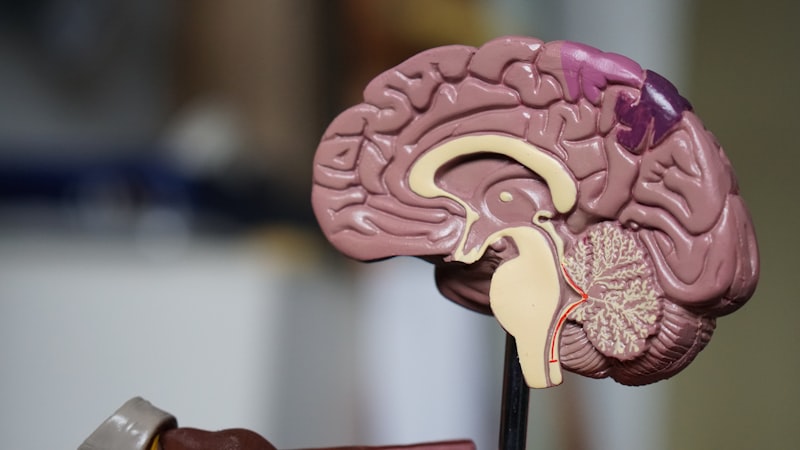
The Brain Is a Metabolic Organ
The brain consumes approximately 20% of the body’s total energy at rest — a staggering proportion for an organ that represents only 2% of body weight. This energy demand means that any disruption to metabolic function has immediate, tangible consequences for cognition, mood, and mental clarity.
When we speak of metabolism in clinical practice, we often reduce it to blood sugar and body composition. But the metabolic landscape that shapes brain performance is far more nuanced — encompassing mitochondrial function, insulin signaling, inflammatory cascades, and the production of key neurotransmitters.
The brain's energy demands are immense — and metabolism is what powers every signal, synapse, and thought.
Every thought you have, every memory you form, every emotion you experience is powered by metabolic processes that most physicians never ask about.
Insulin Resistance and Cognitive Fog
Insulin resistance — long considered a metabolic condition — is increasingly understood as a neurological one as well. The brain has its own insulin receptors, and when those receptors become desensitized, the consequences extend far beyond blood sugar dysregulation.
Patients often describe this as “brain fog” — a persistent sense of cognitive sluggishness, difficulty concentrating, and emotional flatness that no amount of sleep or caffeine seems to resolve. What they’re often experiencing is the brain running on compromised fuel.
Insulin resistance is not merely a metabolic condition — it is increasingly understood as a neurological one.
Mitochondria: The Overlooked Variable
Mitochondrial health sits at the intersection of energy production, inflammation, and neurological resilience. When mitochondria are stressed — by oxidative damage, nutrient deficiency, or metabolic dysfunction — the first organ to signal the problem is often the brain.
This is why metabolic psychiatry is not simply about treating the body to improve the mind. It’s about recognizing that the mind and body share the same biological substrate — and that healing one necessarily involves attending to the other.
Understanding this link is not academic. It is the foundation of a more honest, more effective approach to mental health — one that asks not just “what do your symptoms look like?” but “what is your system trying to tell you?”
If this resonated with you
Here's where to go next
Explore the
Practice
Learn how we integrate
psychiatry, metabolic
medicine, and education
into a coherent whole.
Dr. Calabrese is a board-certified psychiatrist and metabolic medicine physician with over two decades of clinical experience. Her work sits at the intersection of brain health, metabolism, and patient education — helping individuals understand the biological roots of how they think, feel, and function.
She is the founder of Touchpoints180 and author of Toxic Roots, a physician’s guide to understanding the metabolic underpinnings of mental illness.
If what you read here resonates — if you’ve sensed that your brain and body are trying to tell you something medicine hasn’t been able to translate — a Discovery Call is your first step.