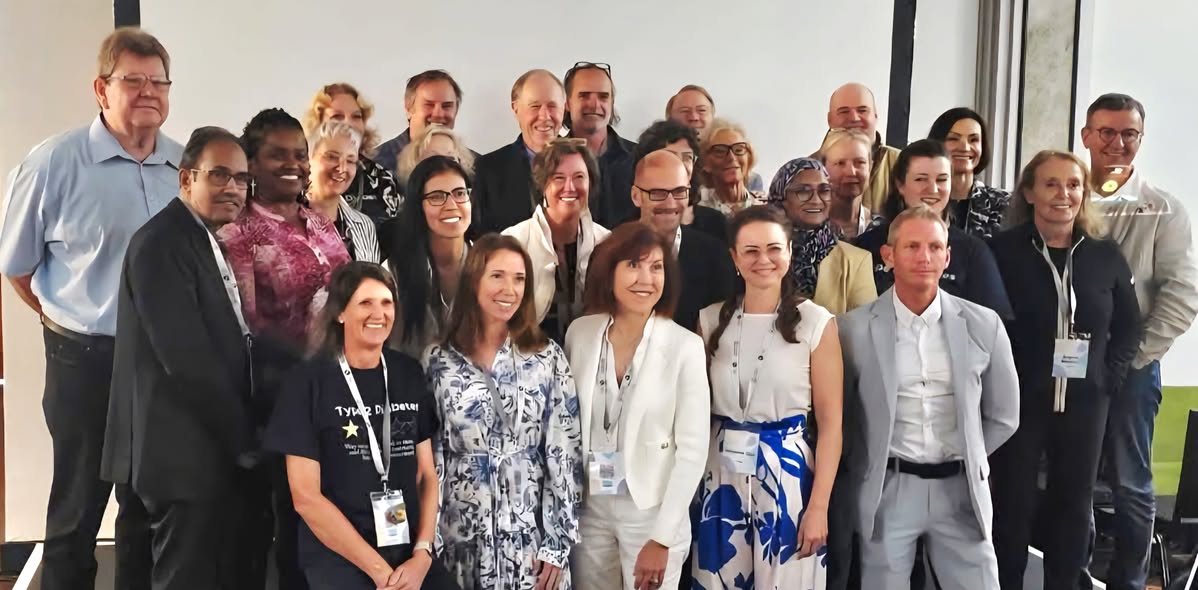

I’m back! I just returned from a warm welcome at the World Nutrition Summit in Cape Town, South Africa. Amazing!! I’m pulsating from the energy that was palpable there, and thrilled to hear all the innovative speakers from medicine and nutrition research science. This conference is presented by my mentor in metabolic medicine, Professor Tim Noakes, founder of The Noakes Foundation.
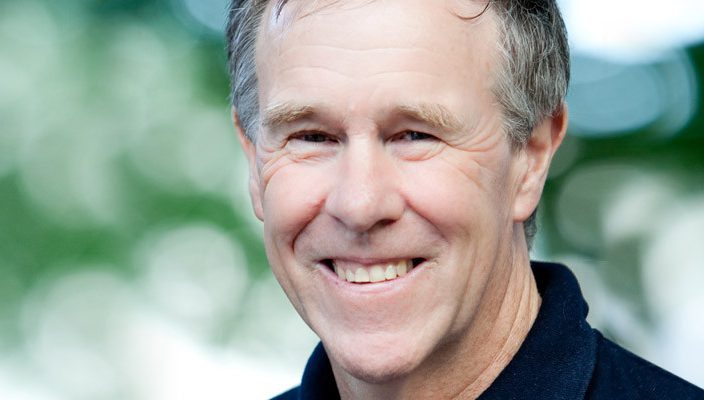
Professor Noakes opened the conference recounting the origins of his anti-sugar crusade, tracing it back to a 2012 convention in Cape Town. He highlighted the influence of Colin Thompson’s book on sugar addiction and the legacy of heart transplant pioneer Christian Barnard. Dr. Barnard had said to Professor Noakes that he had saved 150 lives with heart transplants, but with this nutrition message 150 million lives could be saved.
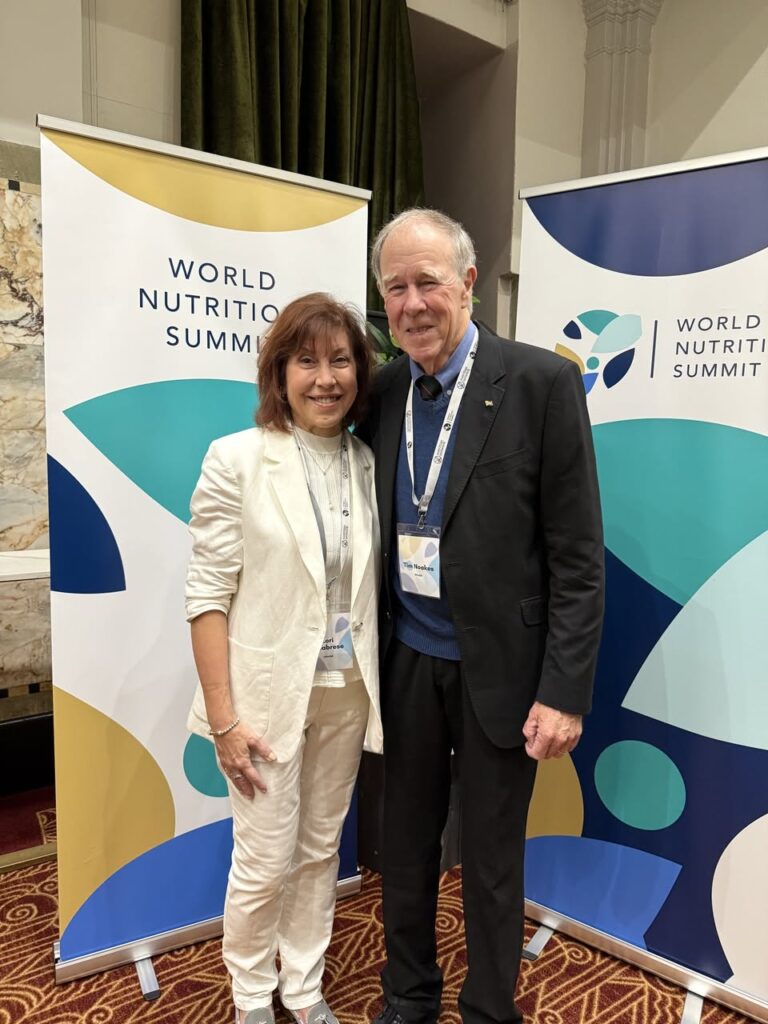
The professor emphasized the importance of integrity in medicine and shared anecdotes about influential figures like Frank Shorter and Steve Phinney and their influence on him. He discussed the impact of the 2015 conference, noting the significant contributions of participants like Jason Fung and Zoë Harcombe. Professor Noakes also criticized the EAT-Lancet diet, a plant-based dietary pattern developed by a global commission of scientists in 2019. He cited South Africa’s 100-year experience with high-carbohydrate diets leading to health deterioration.
Obesity and Type 2 Diabetes
Lara Dugus, a non-communicable diseases epidemiologist, discussed the obesity and type 2 diabetes epidemic in South Africa, highlighting that 60% of South African women are obese. She noted that the expansion of supermarkets in townships has led to increased consumption of ultra-processed foods, contributing to this issue.
Lara’s research showed that low-income South Africans consume significantly more ultra-processed foods, which negatively impacts cardiometabolic health. She emphasized the importance of dietary fiber in modifying the gut microbiome and reducing obesity and type 2 diabetes risks. She also mentioned ongoing studies on the impact of prebiotics on health. Lara was such an asset at this World Nutrition Summit.
Vital Role of Mitochondria
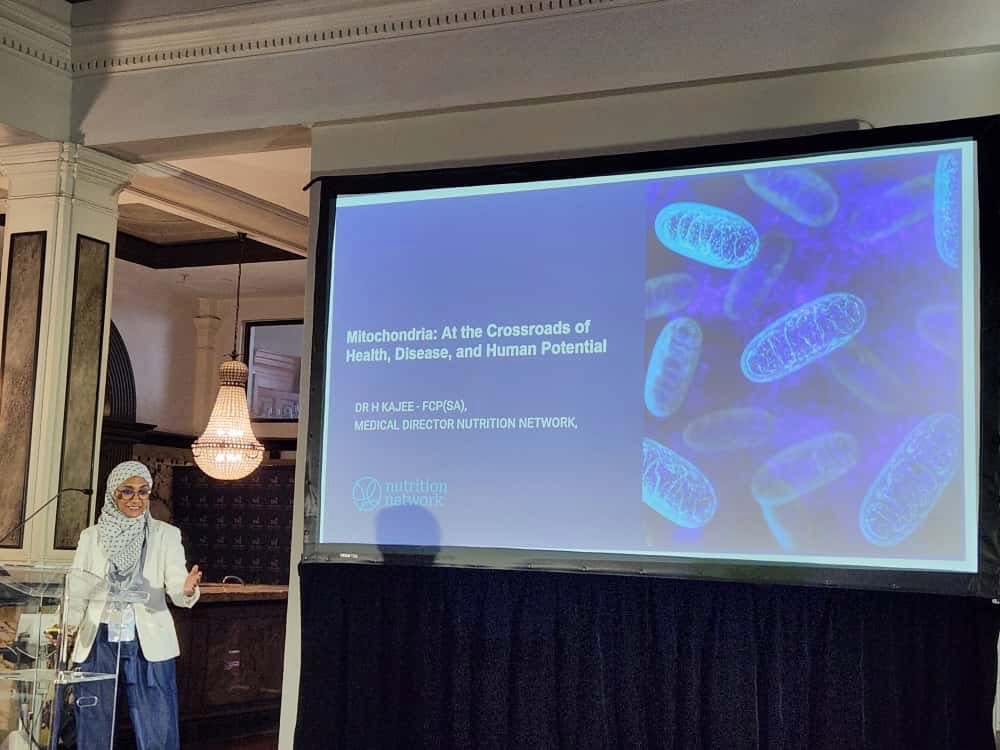
Hassina Kajee, a foundational contributor of the World Nutrition Summit, provided an outstanding presentation with brilliant graphics that drove home each point she made. It’s hard to find a more brilliant mind than Hassina. She’s a masterful teacher…I wish I had the words to describe it!
Hassina’s Mitochondria Health Seminar – Her discussion centered on the importance of mitochondria in health and disease, emphasizing their role as the powerhouse of cells. Lara highlighted mitochondria’s functions in ATP production, calcium homeostasis, and redox homeostasis.
She explained how mitochondrial dysfunction leads to chronic diseases, including insulin resistance and metabolic syndrome. And she stressed the need for a balanced diet, exercise, and stress management to optimize mitochondrial function. She also discussed the impact of medications like statins and beta blockers on mitochondria and the importance of coenzyme Q. The talk concluded with a call to think about mitochondria daily for better health.
Metabolic Health Crisis Insights – Dr. Frank Miller and Johan Els discussed the “bioenergetic insolvency crisis,” highlighting a 42.5% decline in fat max over five years, particularly in younger populations. They linked this to rising D-lactate levels, caused by gut microbiome changes and processed food consumption.
This shift impacts metabolic health, leading to chronic fatigue and other issues. Their study involved 337 patients, showing that low-intensity exercise (Zone 1) is crucial for mitochondrial repair. They proposed a three-step approach: restoring gut microbiota, eliminating processed foods, and training mitochondria to burn fat. They emphasized the need for accurate physiological data to guide treatments and prevent metabolic disasters.
Link Between Gut Heath and Mental Health

Jayne Bullen – Gut Health and Mind Connection – Jayne also plays a vital role in the World Nutrition Summit. Her talk focused on the interconnectedness of gut health and mental health, emphasizing the impact of stress, trauma, and diet on the gut.
She shared her personal journey, highlighting how her son’s gut issues and her own PTSD led her to explore mind-body medicine. Jane proposed a formula linking gut health, mental health, medications, and diet to overall well-being, stressing the importance of a balanced diet, stress management, and mindful eating. She also discussed the role of AI in nutrition and the need for ancient healing practices like Ayurveda to be integrated into modern medicine. The talk concluded with practical tips for improving gut health and mental well-being.
Insulin Resistance and Inflammation
Insulin Resistance Presentation – The discussion focused on lipotoxicity as a root cause of insulin resistance. Craig Emmerich shared personal experiences with chronic inflammation and Lyme disease, emphasizing the importance of diet in managing health. Obesity rates in the U.S. were highlighted, with projections of 50% obesity by 2030. Lipotoxicitywas explained as the accumulation of fat in organs, leading to dysfunction.
The conversation detailed the role of adipocytes in fat storage, the concept of personal fat thresholds, and the impact of dietary fat on insulin sensitivity. Practical advice included reducing carbohydrates, prioritizing protein, and using modified fasting to shrink fat cells and improve metabolic health.
Dietary Impact in Diabetes
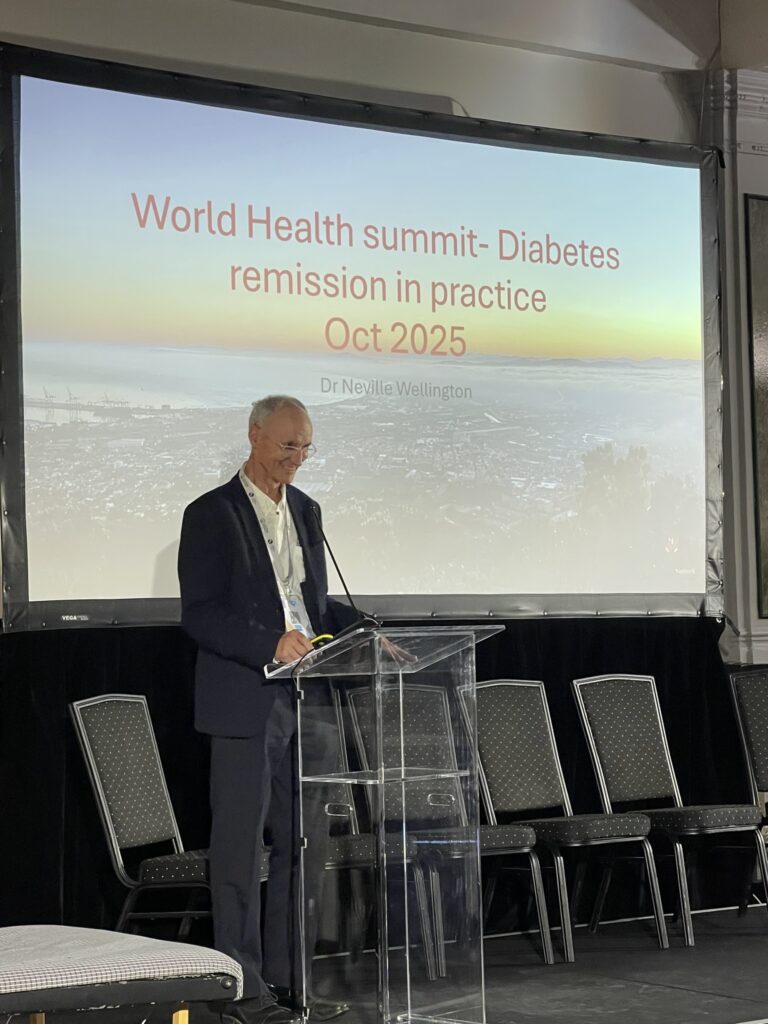
Dr. Neville Wellington, our resident expert on diabetes, discussed patient success stories in diabetes management, highlighting significant improvements in HbA1c levels and weight loss through dietary interventions. A patient initially at 14.1% HbA1c reduced to 5.9% using metformin and diet, while another patient with type 1 diabetes managed with a low-carb diet. The discussion also touched on the impact of diet on HbA1c, with some suggesting a carnivore diet might extend red blood cell life. The importance of clinical judgment and individual variation in dietary impact was emphasized, along with the need for better patient education and dietary advice.
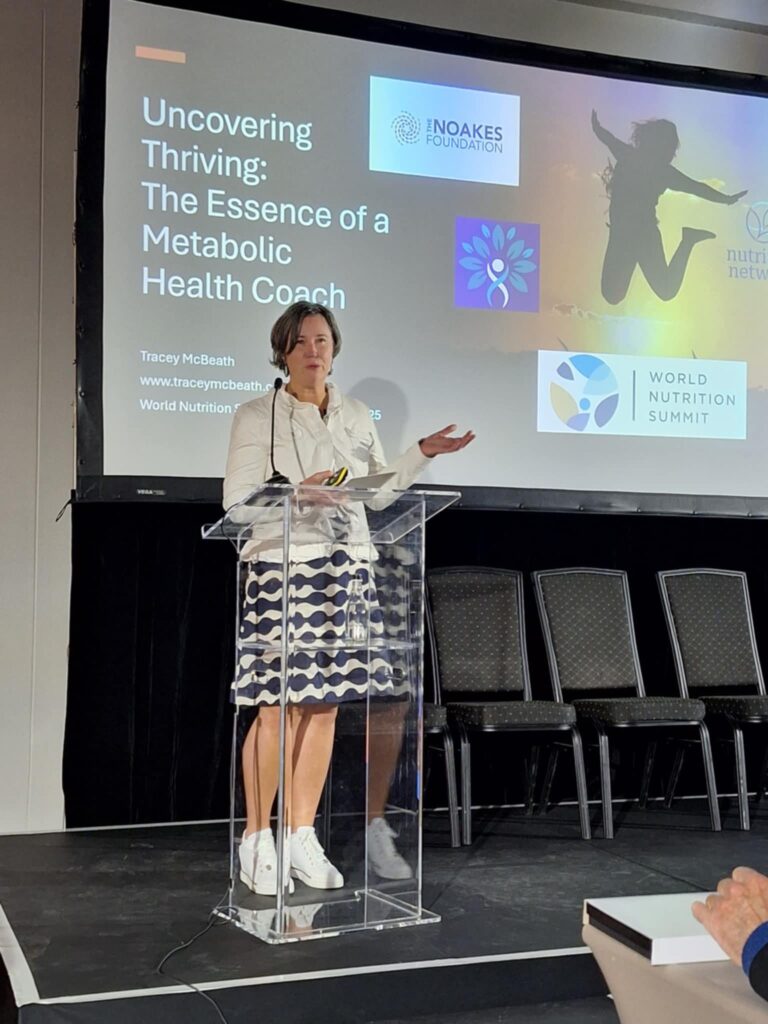
Metabolic Health Coaching Insights – Tracey McBeath,a metabolic health coach, shared her personal journey from being overweight and unhealthy at 39 to thriving at 52, overcoming issues like fatty liver, pre-diabetes, and addiction. She emphasized the importance of self-awareness, core values, and understanding the mind’s role in change. She’s been a devoted mentor for me, and I loved hearing her speak.
Her approach involves helping clients uncover their essence, reconnect with their core values, and make informed choices. She differentiated between metabolic health coaches and consultants, highlighting the coach’s role in guiding clients to self-discovery and sustainable change. Tracey also discussed the thought-feeling-behavior cycle and the significance of being present and aware in making choices.
She coached us all at the World Nutrition Summit, by inspiring us to observe our thoughts, feelings, and behaviors to increase awareness of the thought-feeling-behavior cycle. Also, to be willing to do the necessary work to achieve the changes we seek, including being a beginner, seeking understanding, and repairing our relationship with ourselves.
Further, to live our values in our daily life as a way of being, not just words on paper, and reflect on our own core values and how they can guide our choices.
Real Food in Managing Diabetes
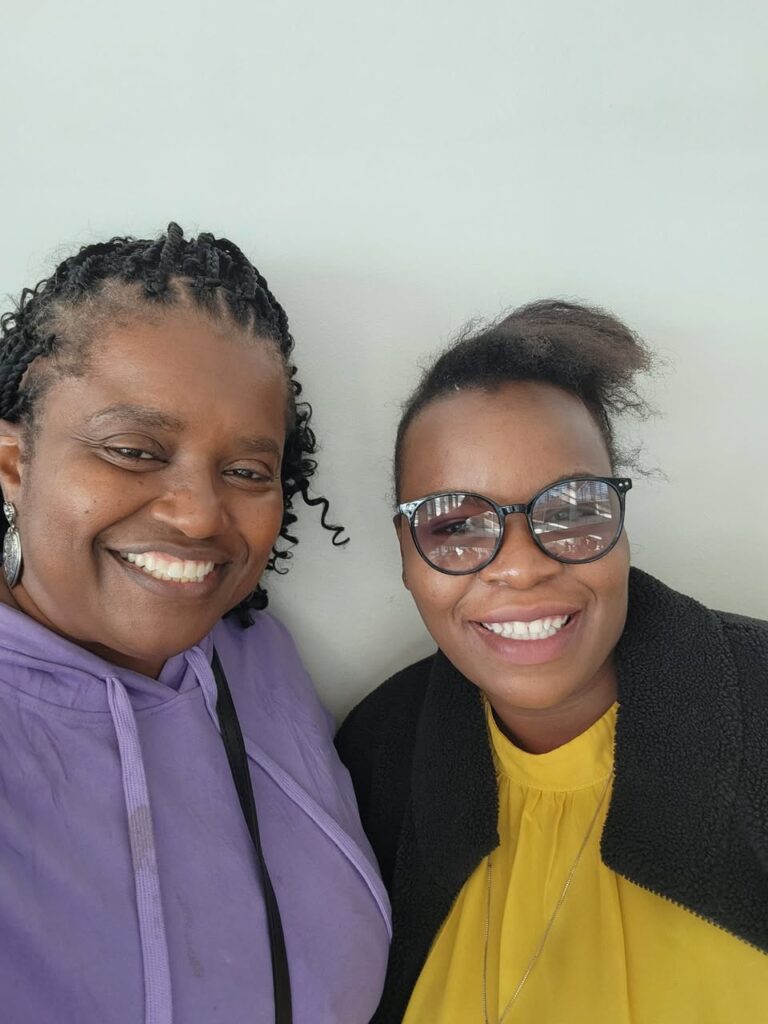
Denitra Davis discussed her approach to health through real food, emphasizing the importance of nutritional knowledge and debunking common health myths. She highlighted her journey from being insulin resistant and overweight to achieving significant health improvements.
Denitra criticized the healthcare system’s focus on prescription drugs over addressing root causes, advocating for better understanding of metrics like fasting insulin and A1C levels. She shared success stories of her clients, including significant weight loss and improved health outcomes. She also stressed the importance of self-advocacy and proper nutrition education, urging people to take control of their health and understand their body’s needs.
Nutritional Therapies for Cancer Treatment
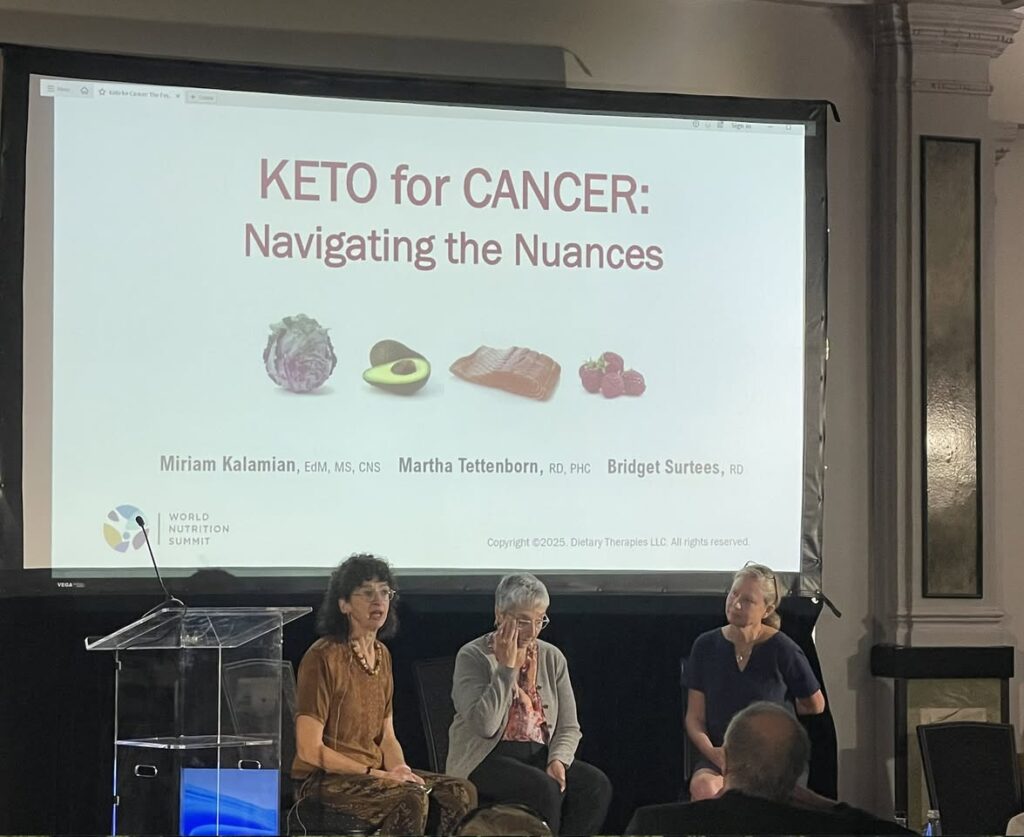
Mariam Kalamian & Cancer – The discussion focused on the use of ketogenic diets and metabolic therapies in cancer treatment, such a vital topic at the World Nutrition Summit. Mariam Kalamian, Bridget, and other experts shared their experiences and research, emphasizing the importance of individualized dietary plans.
They highlighted the role of ketosis in reducing cancer cell energy production and the need to balance protein intake to avoid glucose spikes. The conversation also covered the benefits of fasting during chemotherapy, the role of cruciferous vegetables, and the challenges of maintaining metabolic health in cancer patients. Practical advice included prioritizing protein, managing glucose levels, and the use of supplements to support overall health.
Therapeutic Diets for Gut Health
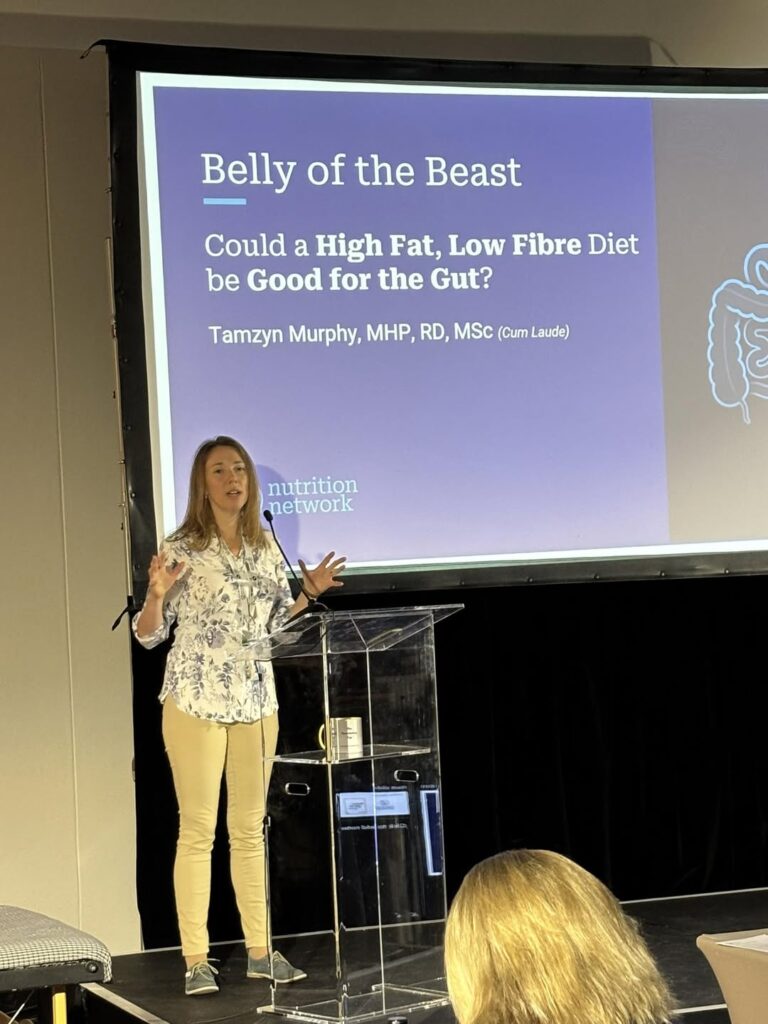
Tamzyn Murphy & Therapeutic Carbohydrate Restriction – The discussion focused on the therapeutic benefits of carbohydrate restriction for gut health, particularly in managing IBS and IBD. Speaker 2 highlighted the negative effects of a Western diet high in processed foods and sugar on gut biodiversity and short-chain fatty acid production. They reviewed various diets, including low FODMAP, specific carbohydrate, gluten-free, and ketogenic diets, noting their efficacy in reducing symptoms and improving quality of life.
The carnivore diet was particularly effective, achieving 100% improvement and remission in some cases. The conversation also touched on the importance of microbiome flexibility and the need for more research to understand the contextual nature of gut health. Tamzyn’s contributions to the Nutrition Network and the World Nutrition Summit are immeasurable.
Overcoming Sugar Addiction

Bitten Jonsson talked about sugar addiction, and how she’s been in recovery 4 years. She pointed out that most of the medical community are ignorant about addiction, and just don’t have knowledge about it. Understandably, she has wished she could kidnap a lot of them and trap them on a desert island and stuff their brains with knowledge about addiction. She is dedicated to helping sugar addicts, and can’t speak highly enough about the Nutrition Network and their training. Encouraged everyone to take their training, if they haven’t already.
Bitten Jonsson discussed her journey from addiction to recovery, emphasizing the importance of understanding addiction as a primary physical brain illness with severe psychological consequences. She highlighted the role of sugar and carbs in triggering addiction and the need for a holistic approach to treatment, including physical, psychological, social, and spiritual aspects. Jonsson shared her experiences with various treatment methods, including low-carb, high-fat diets, and the importance of early detection and prevention. She also stressed the significance of compassionate care and the challenges of treating addiction, particularly in children and adolescents.
Glucose Pools
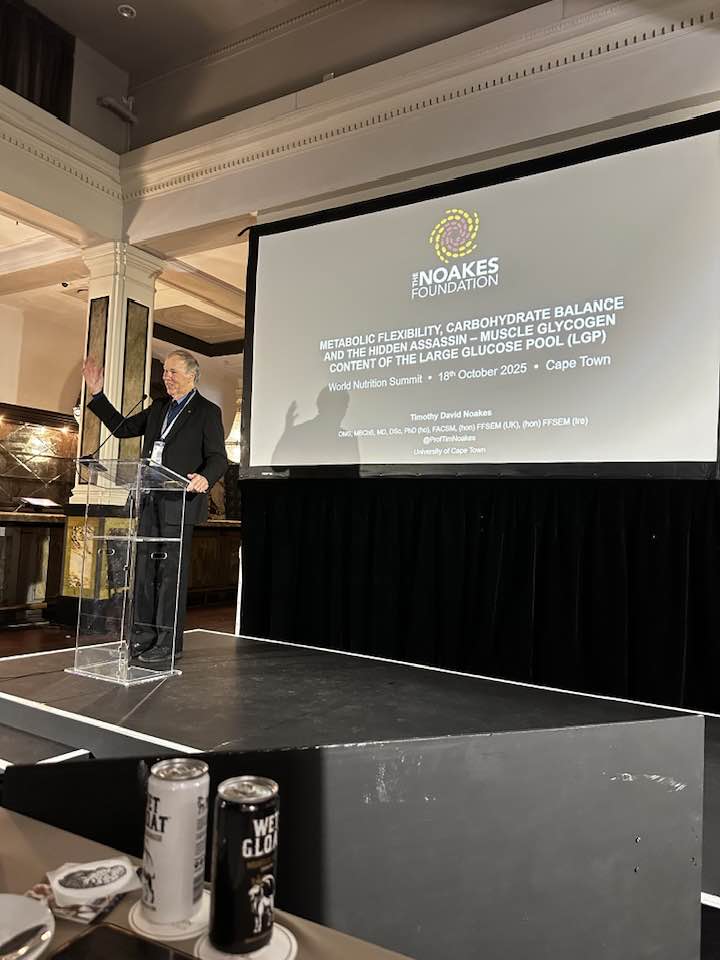
Professor Noakes discussed the importance of carbohydrate balance and metabolic flexibility, emphasizing the distinction between the large and small glucose pools in the body. He highlighted a study showing that a low-carbohydrate diet does not impair performance, contrary to previous beliefs.
The , he explained that excessive carbohydrate intake can lead to de novo lipogenesis. And that can cause insulin resistance and metabolic issues. He also noted that muscle glycogen content influences fat oxidation during exercise. As a result, the higher glycogen levels lead to more fat oxidation. Practical applications include the need for personalized low-carbohydrate diets and regular exercise to maintain carbohydrate balance.
Insulin Resistance in Abnormal Uterine Bleeding
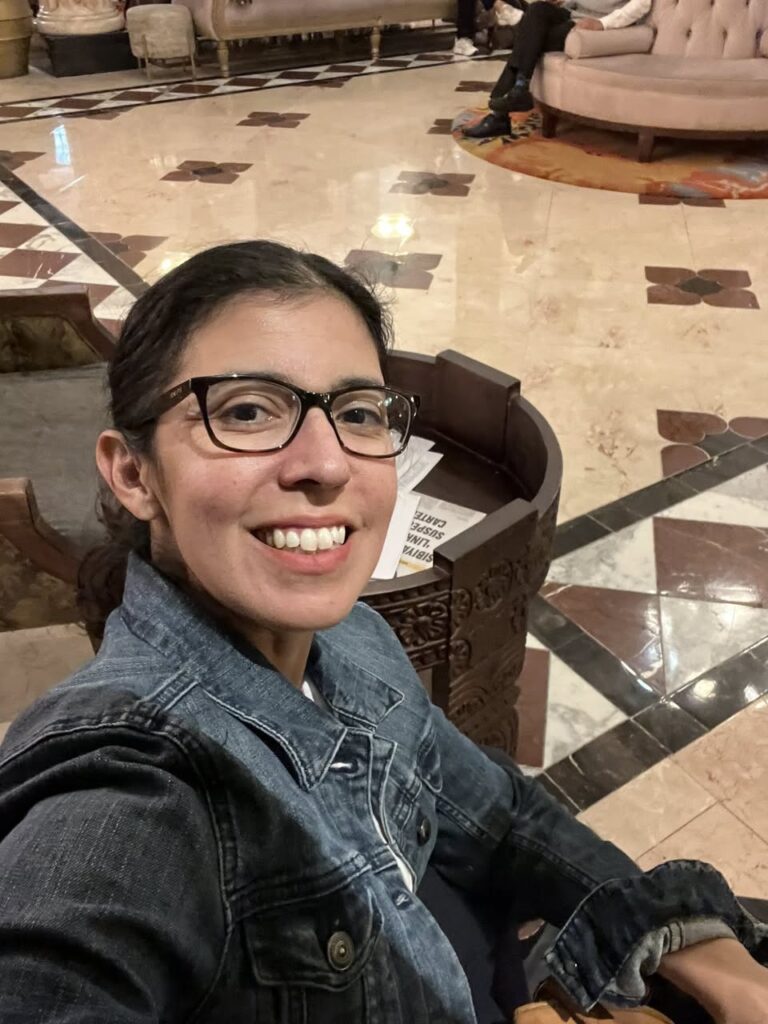
Andrea Salcedo – Abnormal Uterine Bleeding Insights – The discussion focused on abnormal uterine bleeding (AUB), affecting 80% of women, costing $34 billion annually in the U.S. Fibroids are the leading cause of hysterectomies, with incidence rising from 17,000 in 2015 to 30,000 in 2021. The progesterone IUD has reduced hysterectomies by 86%. She highlighted the role of insulin resistance in AUB, noting 70% of women with AUB had high insulin levels. Studies showed women with AUB were more likely to be obese and have high insulin levels. Andrea also emphasized lifestyle changes, including therapeutic carbohydrate restriction, as potential treatments for AUB and endometriosis.
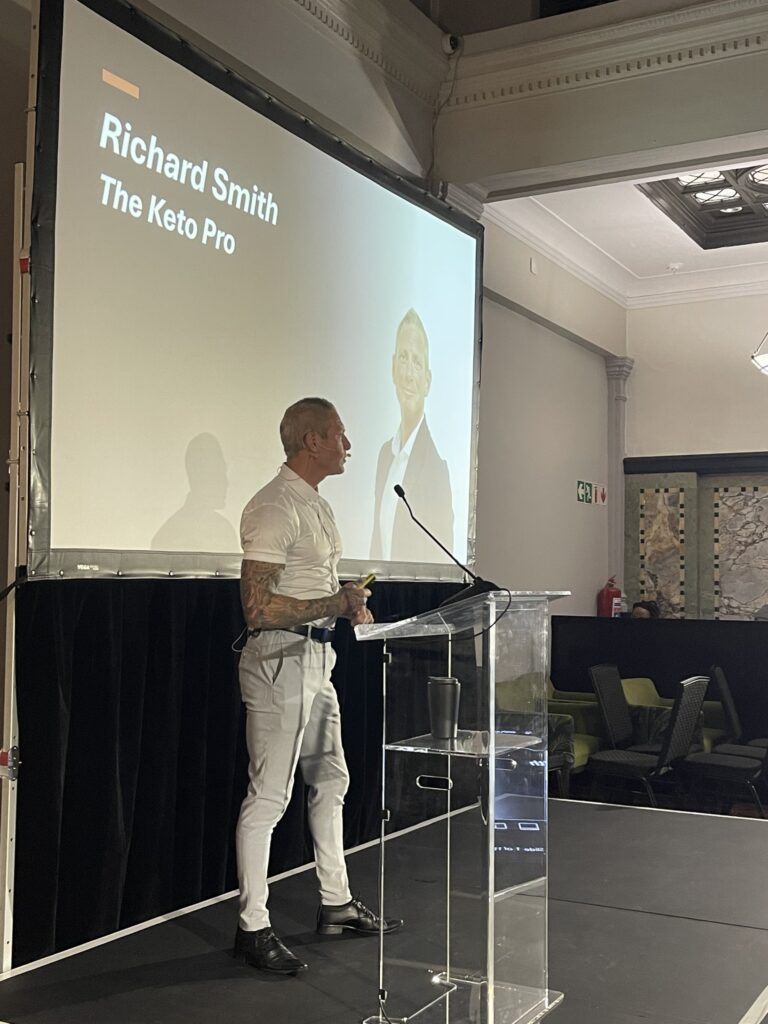
Richard Smith shared his transformative journey from severe health issues to becoming a professional athlete through dietary changes. He emphasized the benefits of a low-carb, ketogenic lifestyle. He detailed how he reversed type 2 diabetes, migraines, and depression by removing bread and adopting a high-protein, low-carb diet. Richard argued that a carnivore diet is the ultimate lifestyle. He cited studies on the negative effects of plant compounds like glucosinolates and oxalates. Then he concluded by advocating for incremental dietary changes towards a carnivore diet for optimal health.
Propaganda and Censorship: Nick Hudson and Travis Noakes
Propaganda and Public Health – Nick Hudson discussed the systemic dissemination of false narratives. He used examples like the dietary saturated fat hypothesis and climate change. He argued that these narratives, driven by profit motives, suppress dissent, and present global crises with global solutions. Hudson criticized the saturated fat hypothesis, citing Ancel Keys’ fraudulent 1950s study and the subsequent $1 trillion statin market. Hudson also challenged the climate change narrative, asserting it’s based on flawed assumptions and exaggerated risks. He urged critical thinking and independent verification of information.

Academic Free Speech Conference – Dr. Travis Noakes, son of Professor Tim Noakes, discussed the challenges faced by experts in shaping public health policy, using two case studies: Dr. Ely Robert and Dr. Scott Atlas. Dr. Robert developed a low-cost COVID-19 treatment protocol, but faced censorship and deplatforming.
Dr. Atlas, a US presidential health advisor, criticized lockdowns but faced media bias and censorship. Both doctors highlighted the suppression of evidence-based contributions, the role of powerful networks in policy-making, and the impact of political polarization. The discussion emphasized the need for academic free speech and the suppression of dissenting voices in public health. We’re so fortunate to have this family foundation supporting the World Nutrition Summit.
Symptom Repression vs. Metabolic Treatment in Mental Health
Global Health Summit Panel – This was a panel (that included me) to discuss the future of mental health, emphasizing the need to shift from symptom suppression to metabolic treatment. Metabolic health issues in India were highlighted, with diabetes affecting 230 million, hypertension 315 million, and obesity over half the population.
The role of states in healthcare was debated, with a focus on collaboration and personal growth. Dietitians were urged to integrate metabolic health training and challenge outdated paradigms. They stressed the importance of local solutions and global collaboration. And, the need for personal and professional growth in healthcare. The session concluded with a call to action for participants to implement the discussed changes.
Salt Revelations
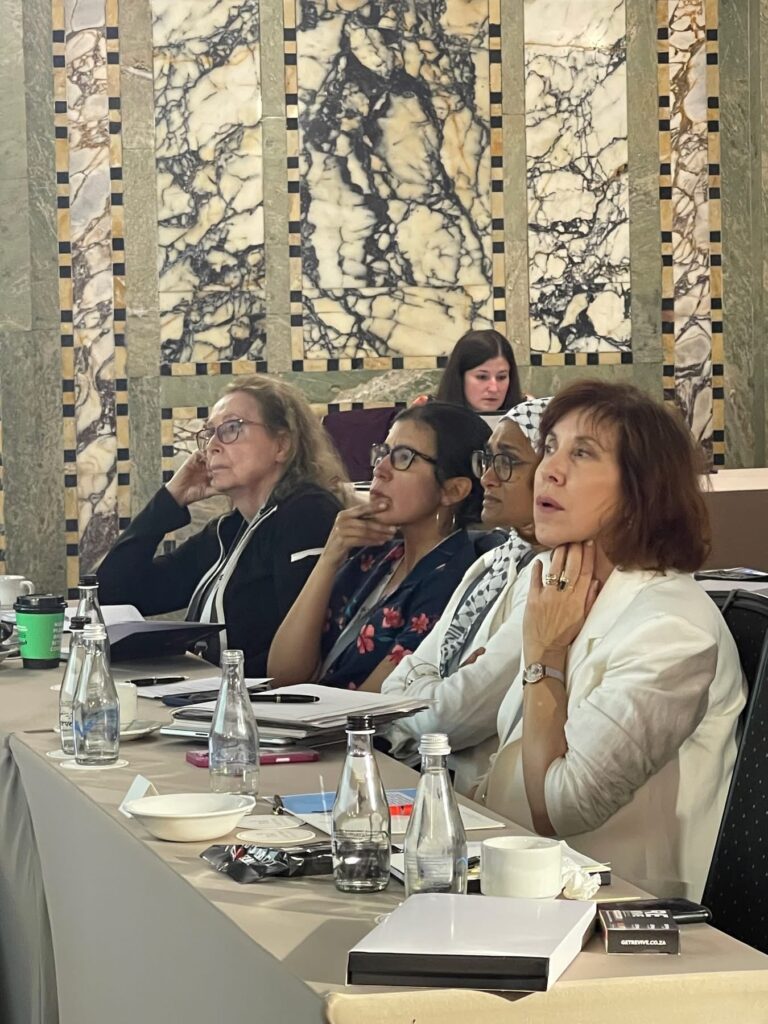
Rethinking Salt – What is refined salt vs. whole food salt? Salt is more than sodium chloride, and it’s not just white. It can be colorful.
Trace minerals and magnesium have been removed from refined salt. Some other essential minerals like sea salt, rock salt and desert salt, contain the natural mineral composition and trace elements. These are essential for many reactions, as well as cellular function and balance. Sea salts now have a problem with microplastics contamination.
So salt is not a villain. It plays a key role in nerve transmission. And, when consumed as part of a whole food diet, salt supports optimal physiological function. We listened with rapt attention to every informative session.
The Psych Panel: Nicole Laurent
Nicole: I help people initiate and monitor ketogenic metabolic therapy as a treatment for mental illness and neurological conditions also, but primarily mental illness. I do an assessment about their history, but really I’m finding ketogenic metabolic therapy as a trans diagnostic intervention. It’s like I treat them all the same way, because we get beautiful, beautiful treatment effects. It’s important that people track what they’re eating, because their diet is treatment. I always either have their support person track if they’re not functioning well enough, or I teach them to track. Also, they need an education about how many carbohydrates are in things. They need to understand what their plate needs to look like. They need to understand how to troubleshoot. We need to figure this out as soon as possible. And to do that, I need data, and they happily learn and figure that out with me.
I do basic supplementation, electrolytes, MCT, oil and ketones. In the beginning, I kind of want to see what kind of ketone levels they can make on their own. And so it can be really scary for people using ketogenic diets as a treatment for mental illness, because they’ll say they haven’t had that magical, sustained drop in anxiety, or maybe had some really good days, and then had some bad days, and I say, Well, just hang in there, because you’re healing. The brain healing is messy. It doesn’t mean anything is off track. And so that’s what I mean by managing expectations.
The Psych Panel: Me, Lori Calabrese, MD

Lori: I shared our approach in our Touchpoints180™ program to identifying the target causes of anguish in each individual we work with, and compassionately leading them through the process of healing. With a very careful, compassionate, meticulous inquiry into the underpinnings of their anguish. I’m referring to the anguish emotionally, and on the brain level, and anguish from their body…as it’s manifested in metabolic dysfunction.
I’m not just interested in the diagnostic category, but also by laboratory inquiry into glucose, insulin, hscrp, and a number of other metabolic markers…all to help us understand what’s caused the emergence of someone’s psychiatric disorders. Then, based on what their own goals are, and their own urgency, and whatever is going on with them metabolically, we design a ketogenic metabolic therapy and see if our goals align with theirs. Of course, my own secret goal is to put their anguish into remission…whether it’s anorexia or mania or something different. I WANT it to go into remission, but that may or may not be their goal. So we listen to their own articulated goals.
Then, we work toward these goals, first with food and then with every other aspect of the pillars of health: circadian rhythm, light movement as they can adapt to it, and ultimately, we do nature walks with them. So, a huge part of our practice is less about doctoring and more about mentoring to empower them. And we use group strategies like workshops as well as individual attention and we walk their walk with them, mostly because each of us in my clinic has walked that walk ourselves.
The Psych Panel: Amanda Cini
Amanda: My practice is primarily telehealth-based, starting with a discovery call to help patients understand what a session involves and assess if I’m suitable for them. I focus on working with clients who have complex conditions and supportive healthcare teams.
The first consultation lasts around 90 minutes, gathering detailed history via assessments of metabolic health, diet, stress, movement, and sleep. I aim to understand how daily living impacts their function, often working with exhausted and confused clients seeking direction. My approach combines dietetics with education on fueling the body beyond calories, emphasizing purpose and function. I prioritize safety, especially when implementing therapeutic carbohydrate restriction, ensuring clients have medical support. I use various clinical tools like CGMS and blood ketone monitors, tailoring assessments based on individual needs. For eating disorders, I incorporate tools like bitten sugar, recognizing the neurobiological aspects. Each client is unique, and I adapt my approach to ensure safety, ethics, and personalized care.
Eating disorders are classified as psychiatric conditions and are primarily treated through psychological therapies like CBT, with nutritional management focused on rehabilitation. Traditional approaches emphasize weight restoration for underweight individuals and weight management for overweight clients, often within multidisciplinary teams. The restraint theory from studies like the Minnesota starvation experiment has informed guidelines, highlighting how calorie restriction can lead to food obsession, bingeing, and lingering psychological effects. I aim to reframe restriction as limiting non-essential, harmful foods rather than calories themselves. My goal is to prioritize nutrient-rich foods that support healing, helping clients understand how fuel impacts their function and recovery. I emphasize safe, individualized approaches, using data like pathology results and scans to shift focus from weight to overall health and physiology.
Such An Unforgettable Summit on World Nutrition!
As you can see, it was a monumental and outstanding conference, and I wouldn’t have missed it.
I’m so grateful to Professor Tim Noakes and The Noakes Foundation for all I’ve learned as well as the opportunities to share my own experiences in helping people find restoration and healing. What a wonderful world changing organization.
South Africa is not only a beautiful place, but the people are so fun! And the people who attended the World Nutrition Summit are such a happy, close knit group. Click on the link below and join us as we dance our way in to the next amazing session!
https://www.facebook.com/reel/1983879455728762

To your best life,